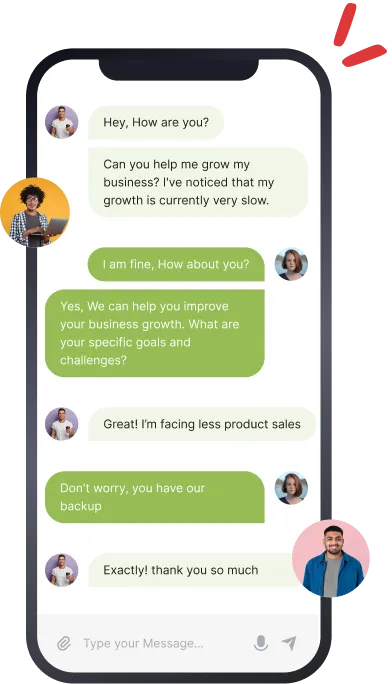

Introduction: Why Digital Marketing Matters for Small Businesses
The shift from traditional to digital marketing has completely transformed how small businesses operate. Once, a newspaper ad or a neighborhood banner was enough to draw attention. Today, customers live online. They search on Google, browse reviews, and engage with brands through social media and email. If your business doesn’t exist online, it practically doesn’t exist at all in the eyes of modern consumers.
Digital marketing empowers small businesses to compete with larger companies on a more level playing field. By leveraging search engines, social platforms, and data-driven campaigns, a small brand can appear right next to its biggest competitors. Online visibility builds awareness, credibility, and trust the key ingredients that drive consistent sales and growth.
Of course, many small business owners feel overwhelmed when starting from scratch. The digital world is vast, filled with jargon, endless tools, and constantly changing trends. Limited budgets and lack of expertise often make it even more challenging. That’s where a specialized partner like Pyrus Digital Media makes a difference. With experience in helping startups and small enterprises grow strategically, we help transform confusion into clarity and potential into profit.
Step 1: Define Your Business Goals and Target Audience
Every successful digital marketing strategy begins with a clear understanding of what you want to achieve and who you want to reach. Without this foundation, even the best tactics can fail. Setting SMART goal those that are specific, measurable, achievable, relevant, and time-bound gives your marketing efforts direction. For example, instead of vaguely aiming to “increase sales,” a small business might decide to “grow online sales by 25% over the next six months.”
Equally important is understanding your target audience. This means identifying who your customers are, what problems they face, what motivates them to buy, and where they spend their time online. Consider the difference between a local bakery and an e-commerce startup. The bakery might aim to increase foot traffic and appeal to families or office workers nearby, while the e-commerce business might focus on reaching younger customers nationwide through social media and online ads.
A digital marketing agency like Pyrus Digital Media helps small businesses conduct thorough audience research using real data. By analyzing customer behavior and market trends, we create strategies that ensure your message reaches the right people at the right time.
Step 2: Establish a Strong Online Presence
Once your goals and audience are defined, the next step is to build a professional online presence. This begins with your website your digital storefront. A well-designed, mobile-optimized website immediately communicates trust and professionalism. It should be easy to navigate, load quickly, and clearly explain what your business offers. In today’s mobile-first world, a slow or poorly designed website can drive potential customers away in seconds.
Search Engine Optimization, or SEO, plays a vital role in making sure your website appears when customers search for your services. Search engine optimization for small businesses helps improve online visibility and drive local traffic cost-effectively. For small businesses, local SEO is especially powerful. By optimizing for phrases like “near me” searches and maintaining accurate listings on Google Maps, you can attract customers in your immediate area.
Another essential step is claiming and optimizing your Google Business Profile. This free tool helps you show up in local search results, share updates, display photos, and collect valuable customer reviews. Reviews not only influence buying decisions but also help search engines recognize your credibility.
Social media is the final piece of your online foundation. Rather than trying to be everywhere, choose the platforms where your audience is most active. A café might thrive on Instagram with visual storytelling, while a consulting firm might find more success on LinkedIn. Consistency in tone, branding, and engagement across all platforms reinforces your identity and builds trust with your followers.
Step 3: Choose the Right Digital Marketing Channels
The digital landscape offers many marketing channels, but not all will suit every business. The key is to select the ones that align best with your goals, target audience, and budget.
Search Engine Optimization (SEO) is a long-term investment that helps your business attract organic traffic without ongoing ad spend. Pay-Per-Click (PPC) advertising, on the other hand, is perfect for achieving faster results and testing which keywords or audiences work best. Social media marketing builds brand awareness and allows you to connect directly with your audience through creative content, while content marketing including blogs, videos, and infographics establishes your brand as a trusted authority.
Email marketing remains one of the most cost-effective channels for building customer loyalty. Sending regular newsletters, personalized offers, or educational content helps nurture leads and encourage repeat business. The best strategy is to focus on a few core channels, master them, and expand gradually. As Pyrus Digital Media often tells clients, being consistent in two channels is far more powerful than spreading yourself too thin across five
Step 4: Plan Your Budget Wisely
A well-planned budget keeps your strategy sustainable. Small businesses often wonder how much to invest in digital marketing, but the answer varies. A common benchmark is to allocate about 5 to 10 percent of your annual revenue toward marketing. Startups with limited funds can begin with a smaller, fixed amount each month to test what works best.
Balancing organic growth with paid campaigns is essential. Organic methods like SEO and content marketing take time to build momentum but offer long-term benefits. Paid campaigns like Google Ads or Meta Ads deliver immediate visibility but require ongoing management. The smartest approach combines both using paid ads to generate quick results while nurturing organic traffic for sustainable growth.
Free and affordable tools such as Google Analytics, Search Console, and email automation software help track progress without straining your budget. Partnering with an affordable marketing agency for small business, such as Pyrus Digital Media, ensures every dollar is used effectively. Our experts optimize campaigns, manage ad spend carefully, and eliminate waste to maximize your return on investment.
Step 5: Create and Distribute Engaging Content
Content lies at the heart of every digital marketing strategy. It’s how you attract attention, communicate value, and convert prospects into customers. For small businesses, storytelling is especially powerful. Sharing your brand’s journey, values, and people builds authenticity and trust. Customers connect with genuine stories far more than with traditional advertising.
Engaging content can take many forms from educational blog posts and short videos to customer testimonials and how-to guides. For example, a small fitness studio might create videos on home workouts, while a local bakery could post recipes or behind-the-scenes photos of their daily preparations. The goal is to offer value while subtly promoting your brand.
An SEO-driven blog strategy can boost your website’s visibility while positioning your brand as an expert in your niche. By researching what your audience is searching for and writing about those topics, you attract visitors who are already interested in what you offer. Repurposing your content across platforms turning a blog post into a video, infographic, or social post ensures your message reaches a wider audience without reinventing the wheel.
At Pyrus Digital Media, we help small businesses craft a content calendar that balances educational, entertaining, and promotional material, ensuring consistent engagement that supports both brand awareness and sales growth.
Step 6: Track, Measure, and Optimize Your Results
What makes digital marketing so effective is its measurability. Unlike traditional marketing, where success is often vague, digital tools provide concrete data about what’s working and what isn’t.
Tracking key metrics such as website traffic, leads, conversions, and return on investment helps you understand which strategies deliver results. Free tools like Google Analytics and Search Console reveal where your visitors come from, how long they stay, and what actions they take. On social media, insights from platforms like Meta show which posts perform best and what kind of content your audience engages with most.
The real power of data lies in optimization. By reviewing performance regularly, you can refine your approach. If a particular ad or post underperforms, you can adjust the content or targeting. If a certain blog topic attracts more visitors, you can create similar pieces. When you partner with a professional digital marketing company for small business like Pyrus Digital Media, you gain access to detailed analytics and expert insights that transform numbers into actionable strategies for improvement. If you’d like to learn more or have questions about this topic, feel free to contact us we’re always here to help.
Step 7: Scale and Evolve Your Marketing Strategy
As your business grows, your marketing strategy should grow with it. Scaling doesn’t just mean spending more money; it means optimizing what works and adding new layers strategically.
A small business might begin with basic SEO and social media campaigns, then expand into automation, remarketing, influencer partnerships, or video marketing as revenue increases. Staying updated with digital trends and algorithm changes is crucial. Search engines and social platforms evolve constantly, and keeping pace ensures your strategy remains effective.
Equally important is maintaining consistency in your brand’s message, tone, and visual identity. As Pyrus Digital Media often advises, trust is built through familiarity, and familiarity is achieved through consistency. When your brand voice, design, and values remain steady, your customers recognize and remember you.
When to Hire a Digital Marketing Agency for Your Small Business
Knowing when to bring in expert help can save both time and money. Many business owners start out managing marketing themselves, but as campaigns grow more complex, professional support becomes invaluable.
If you’re spending hours on marketing but seeing little return, struggling to understand analytics, or lacking time to stay current with trends, it’s time to consult an agency. A good digital marketing agency for small business offers experience, tools, and strategies tailored to your specific needs.
When choosing an agency, look for one that understands small business challenges, communicates transparently, and focuses on measurable outcomes rather than vanity metrics. At Pyrus Digital Media, we pride ourselves on helping small businesses create realistic, data-driven marketing strategies that deliver measurable results without stretching budgets beyond their limits.
Conclusion
Building an effective digital marketing strategy from scratch doesn’t have to be complicated. It’s about starting small, setting clear goals, and committing to steady, consistent growth. Every great brand began with a simple plan that evolved through learning, adaptation, and persistence.
By defining your objectives, building your online presence, selecting the right channels, budgeting wisely, and tracking results, you create a foundation for long-term success. The journey requires patience and consistency, but the rewards visibility, credibility, and sustained growth are worth the effort.
At Pyrus Digital Media, we specialize in guiding small businesses through this journey step by step. Our team helps you craft personalized strategies, optimize your campaigns, and build a strong online presence that drives real results. With the right approach and expert support, your small business can achieve big success.
Frequently Asked Questions
What is the best digital marketing channel for small businesses?
The best channel depends on your goals and audience. Local businesses often see great results from local SEO and Google Ads, while online retailers benefit from social media and content marketing.
How much does digital marketing cost for startups?
Budgets vary, but most startups begin with a modest investment that grows over time. The key is to track performance and reinvest in what works.
Can small businesses manage digital marketing in-house?
Yes, many start by handling it themselves, especially at the beginning. However, as campaigns grow in scale and complexity, partnering with an experienced agency like Pyrus Digital Media ensures professional results.
How do I choose the right digital marketing agency for my small business?
Choose an agency that specializes in small business growth, offers transparent communication, understands your industry, and focuses on measurable outcomes rather than vague promises.